
The Pearl S. Buck Foundation in Korea: Celebrating 60 Years (1965-2025)
A Virtual Exhibit by Travis Minger
Pearl S. Buck as a Humanitarian
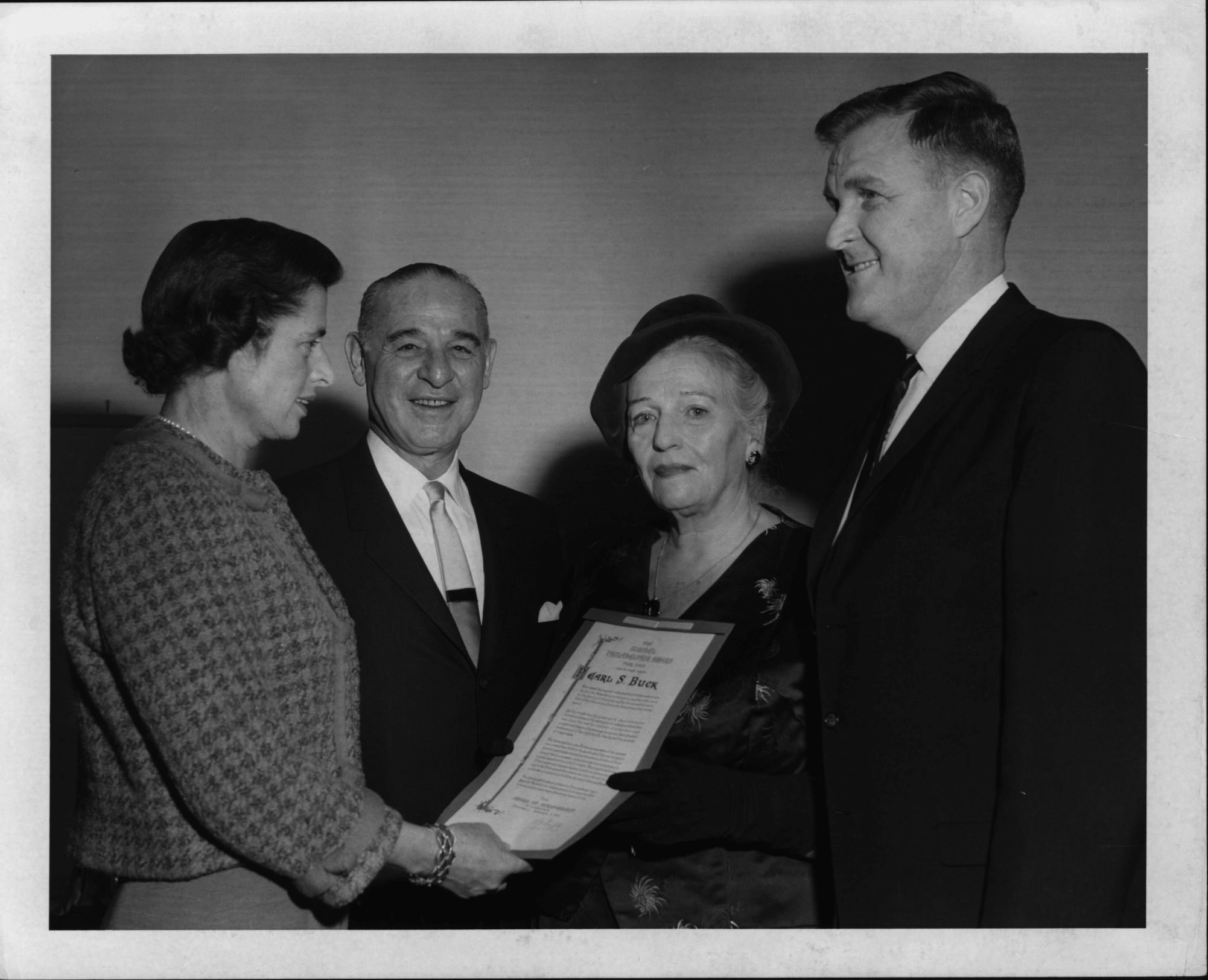
Along with being the well-known author of The Good Earth, as well as dozens of other books and stories, Pearl S. Buck was a dedicated humanitarian. As the United States became involved in various wars in Asia during her lifetime, Buck grew concerned about children whom she called ‘Amerasian.’ These children had one American and one Asian parent, and many were born as American servicemen abroad had children with Asian women. Due to their mixed heritage, they faced discrimination and difficult life circumstances, especially in post-war conditions. Buck's background as an American who grew up in China uniquely positioned her to understand the difficulties that 'Amerasian' children faced. She knew firsthand the feeling of being from two different cultures yet not fully belonging to either.
To help these children, Pearl S. Buck first founded Welcome House in 1949, which organized adoptions for mixed-race children in the United States. She realized, however, that adoption was not a realistic solution for all of these children. Some lived with their mothers or another relative, while others could not be adopted due to international adoption laws. In 1964, she created the Pearl S. Buck Foundation (PSBF, which is now known as Pearl S. Buck International, or PSBI) with the goal of helping the ‘Amerasian’ children who lived in their home countries in Asia—beginning with South Korea, where a branch was established in 1965.
A Trip to Korea
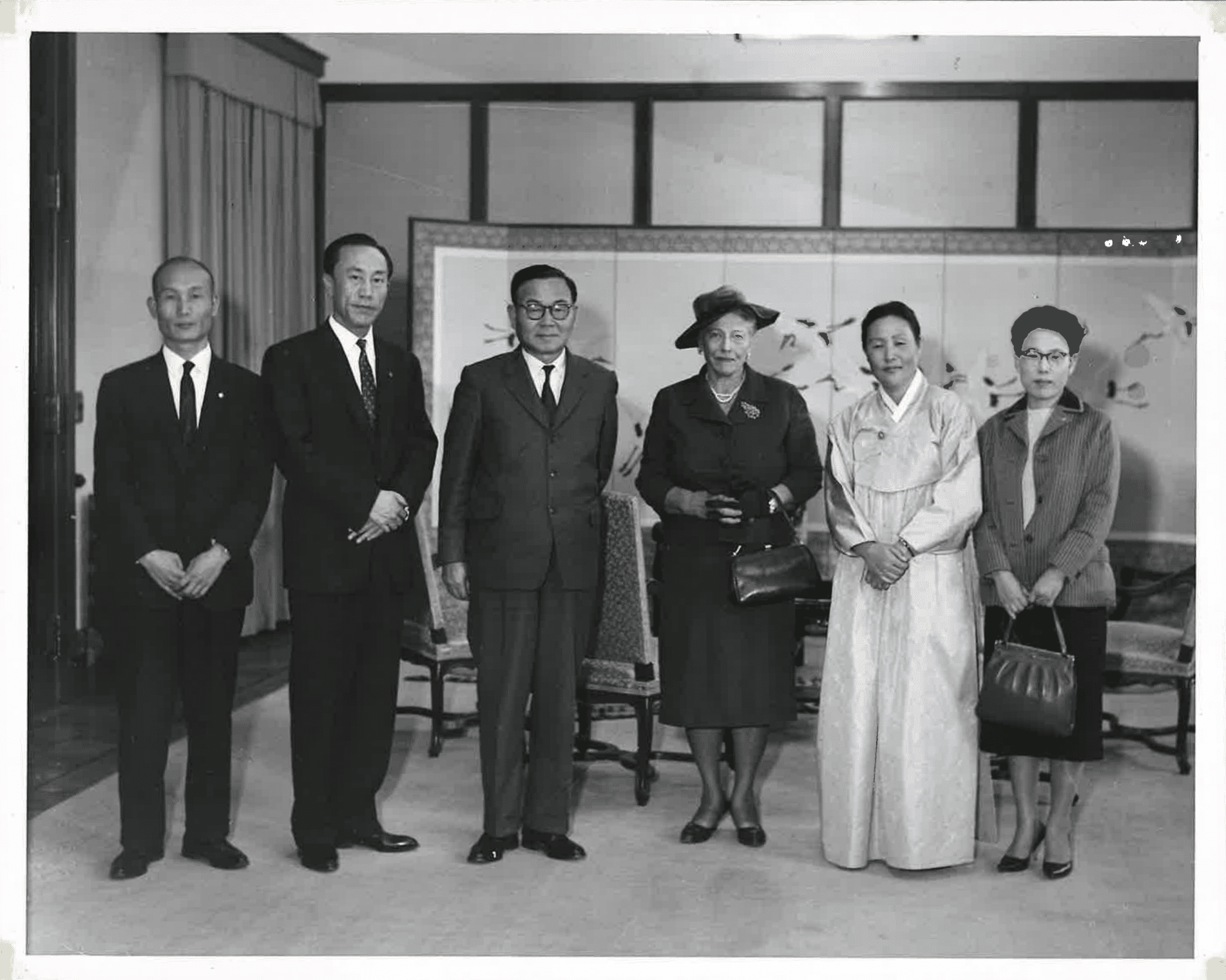
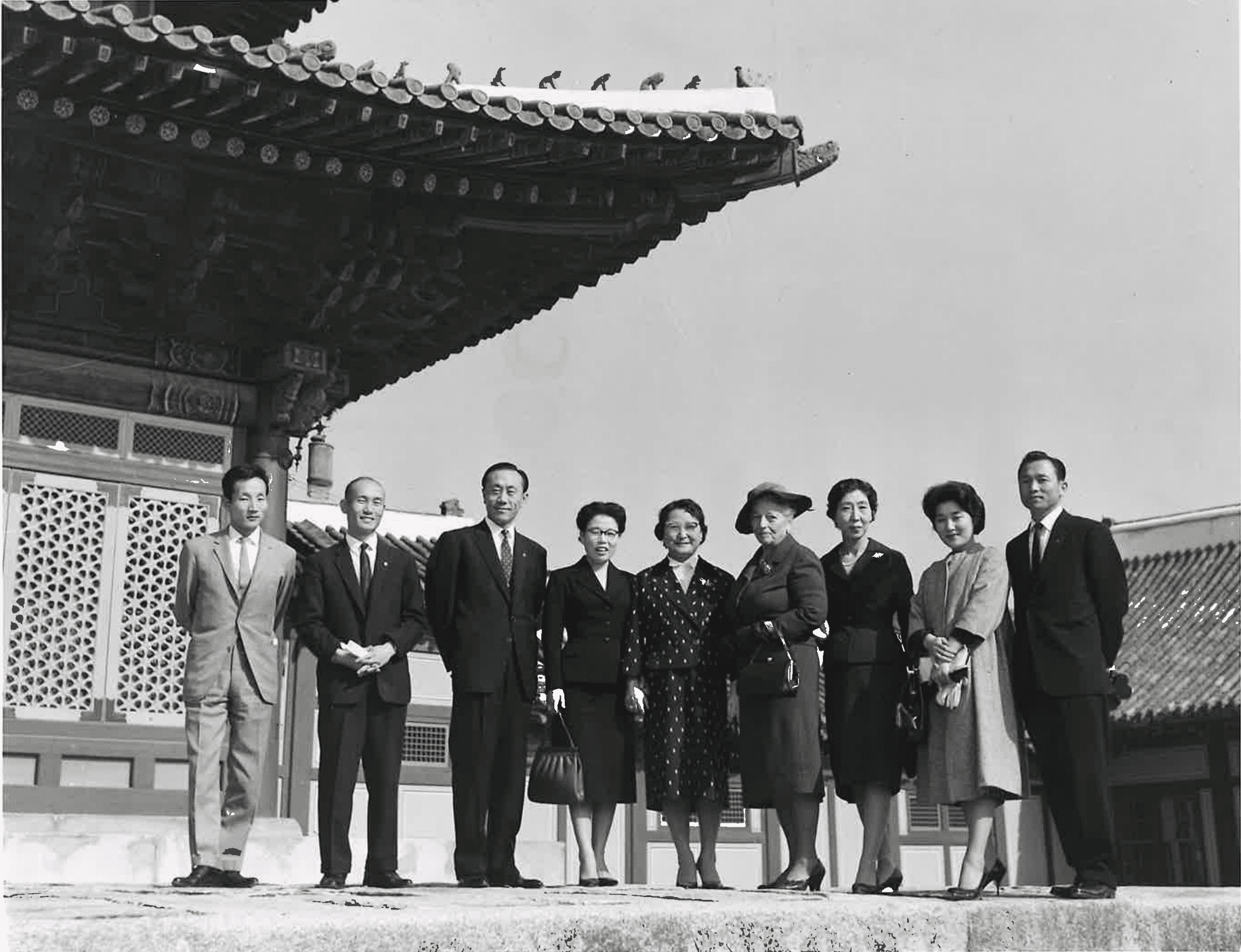
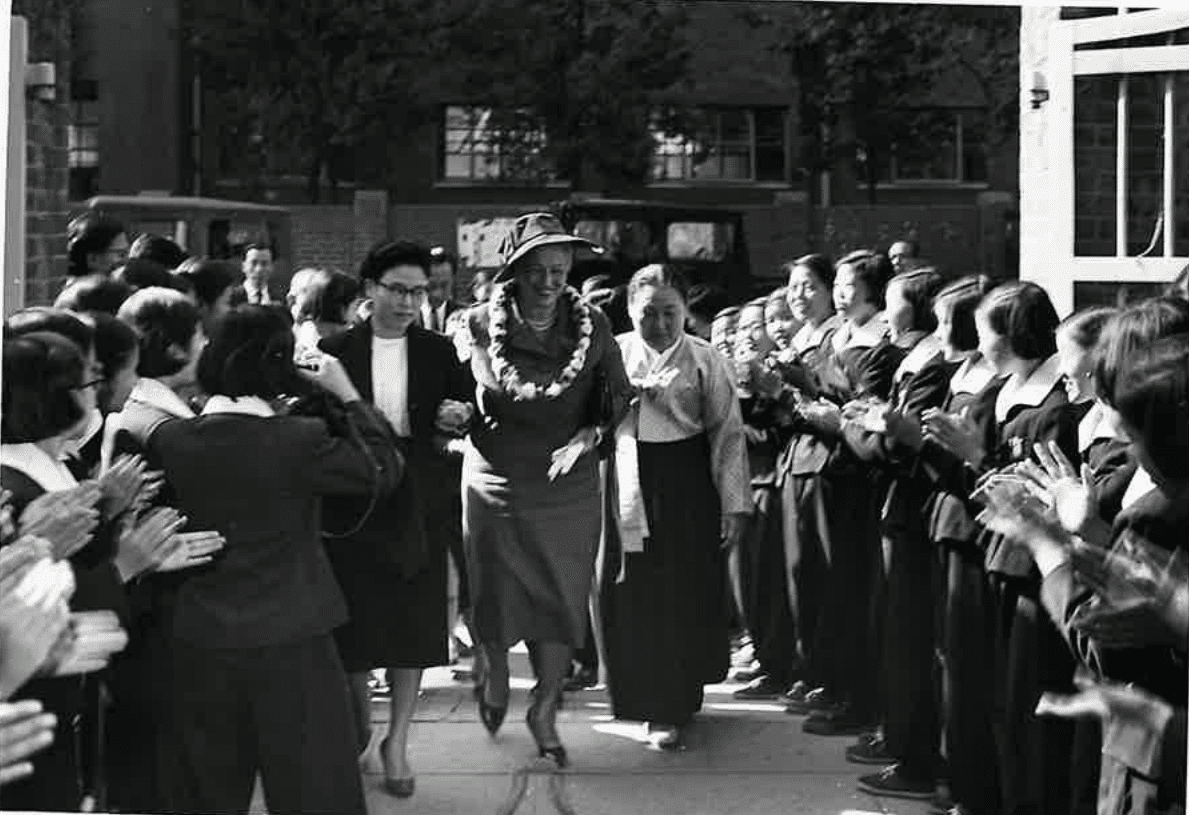
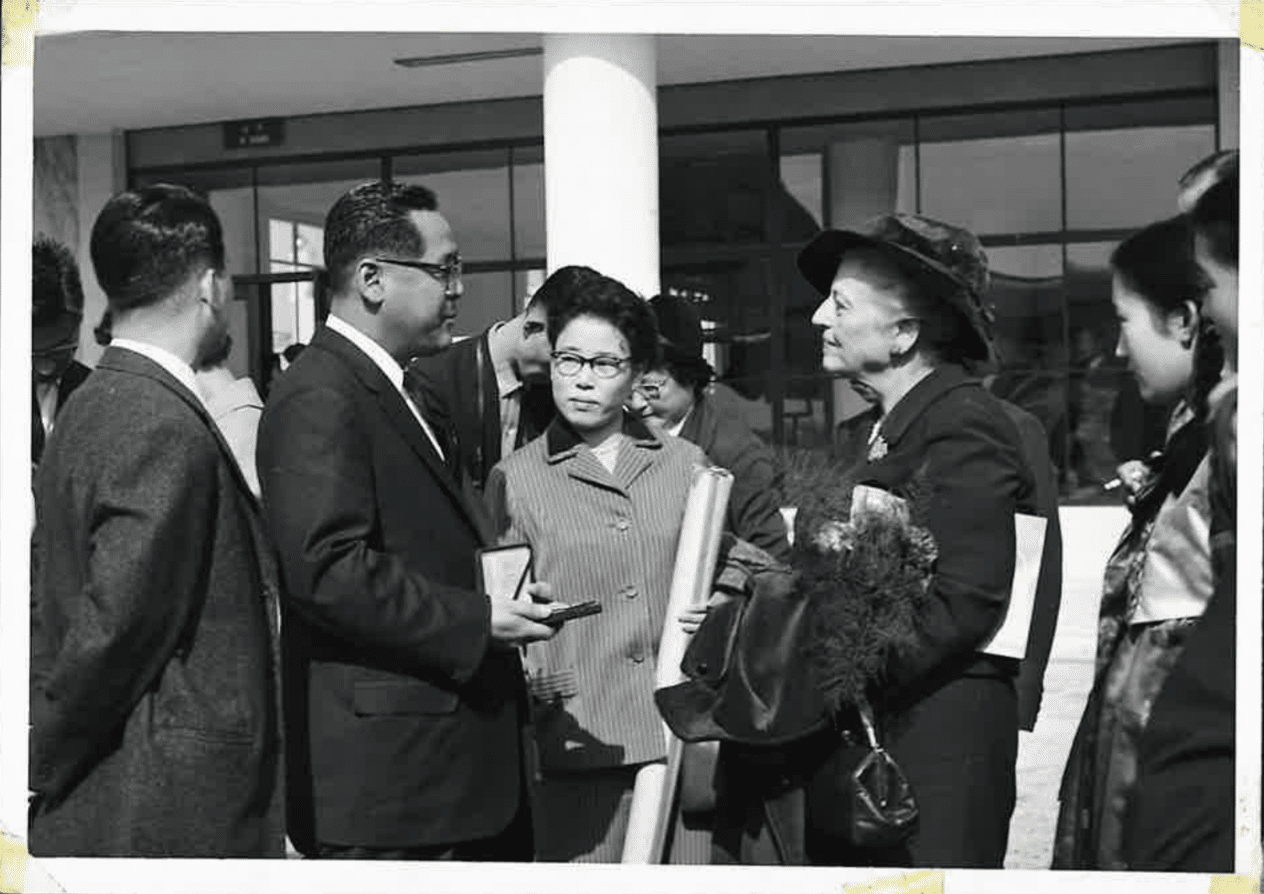
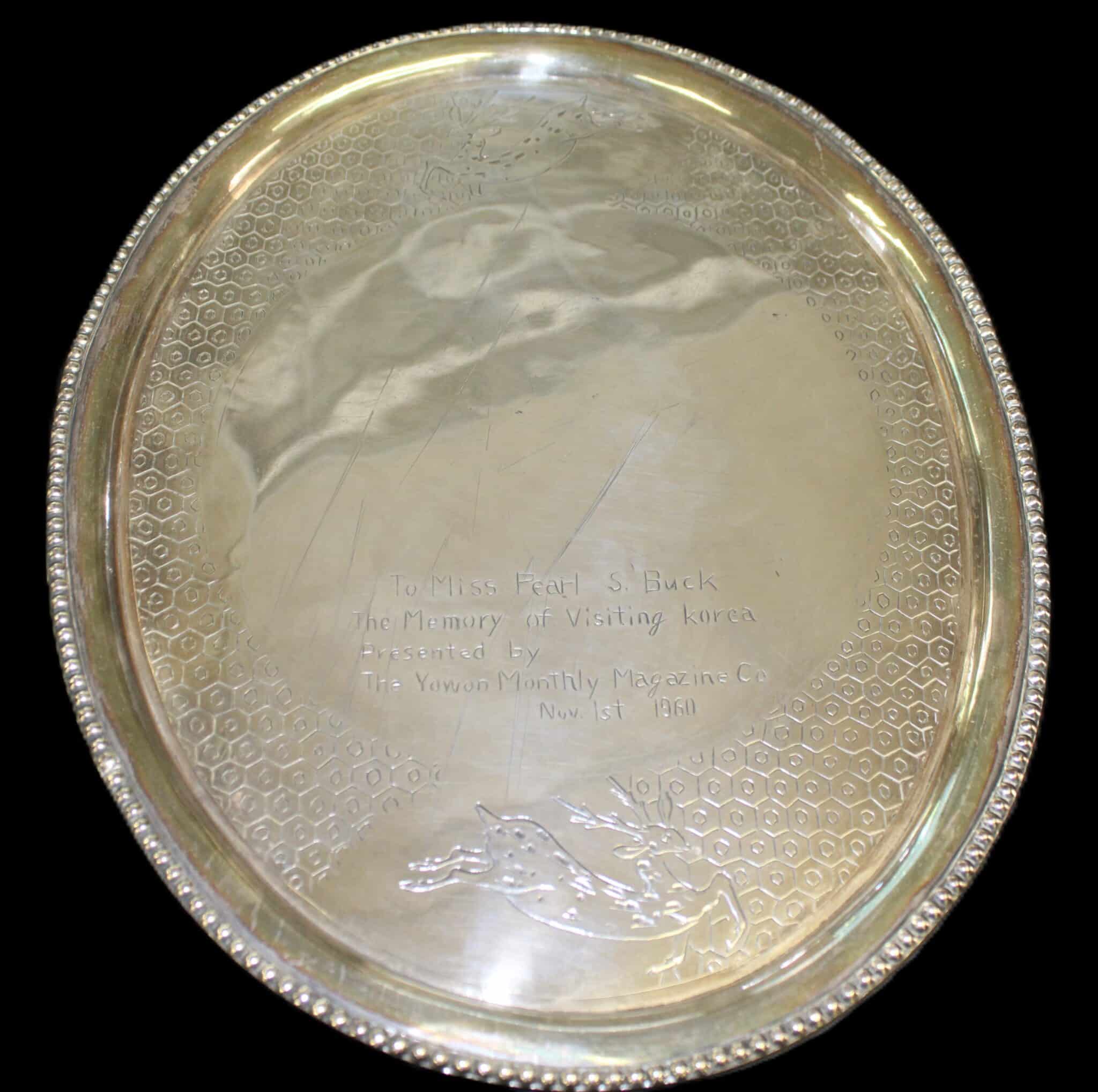
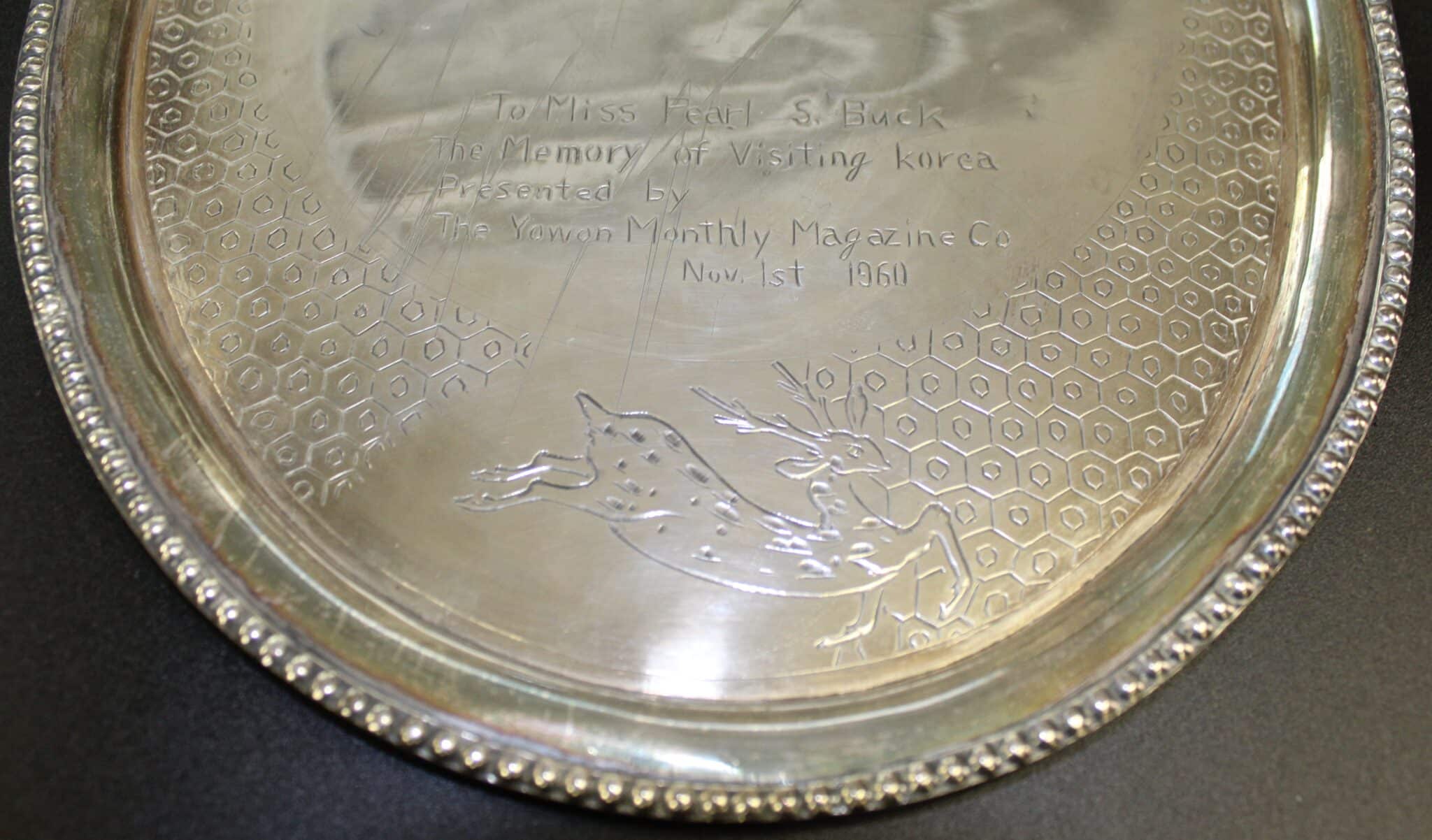
Pearl S. Buck first traveled to South Korea in November 1960 at the invitation of Yeowon Magazine. During this trip, she met with organizations working to help children in Korea. One such organization was the International Social Service, which she had worked with before as part of Welcome House. With them, she helped organize a survey of disabled children in Korea and donated $1,000 to fund it. She also met with Holt Adoption Agency and various schools.
These meetings were the precursor to her work with the Foundation. During this visit, the very first time she stepped into the country, she immediately set to work on helping the children there. The trip also helped inspire Buck's The Living Reed, a historical novel about Korea published in 1963.
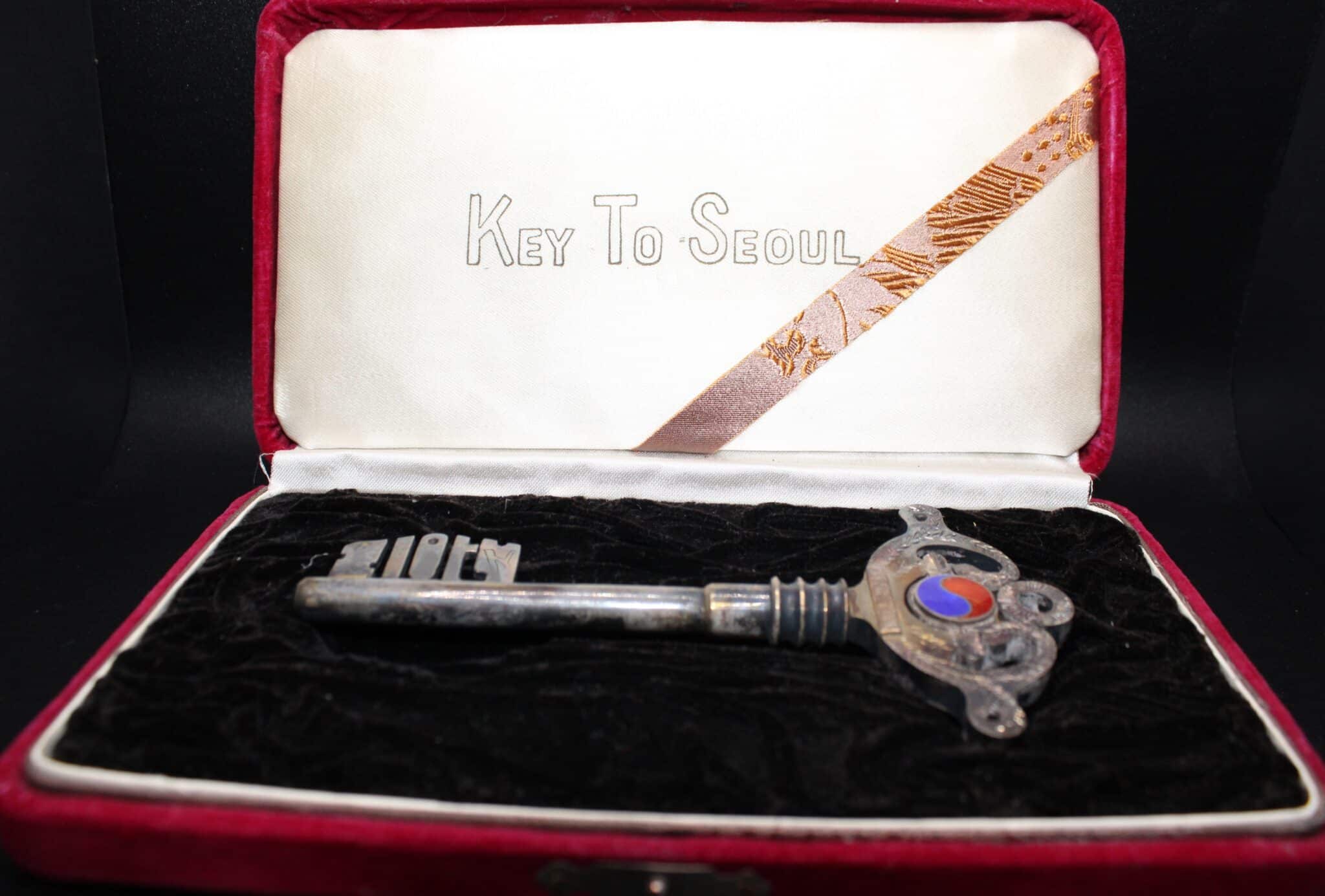
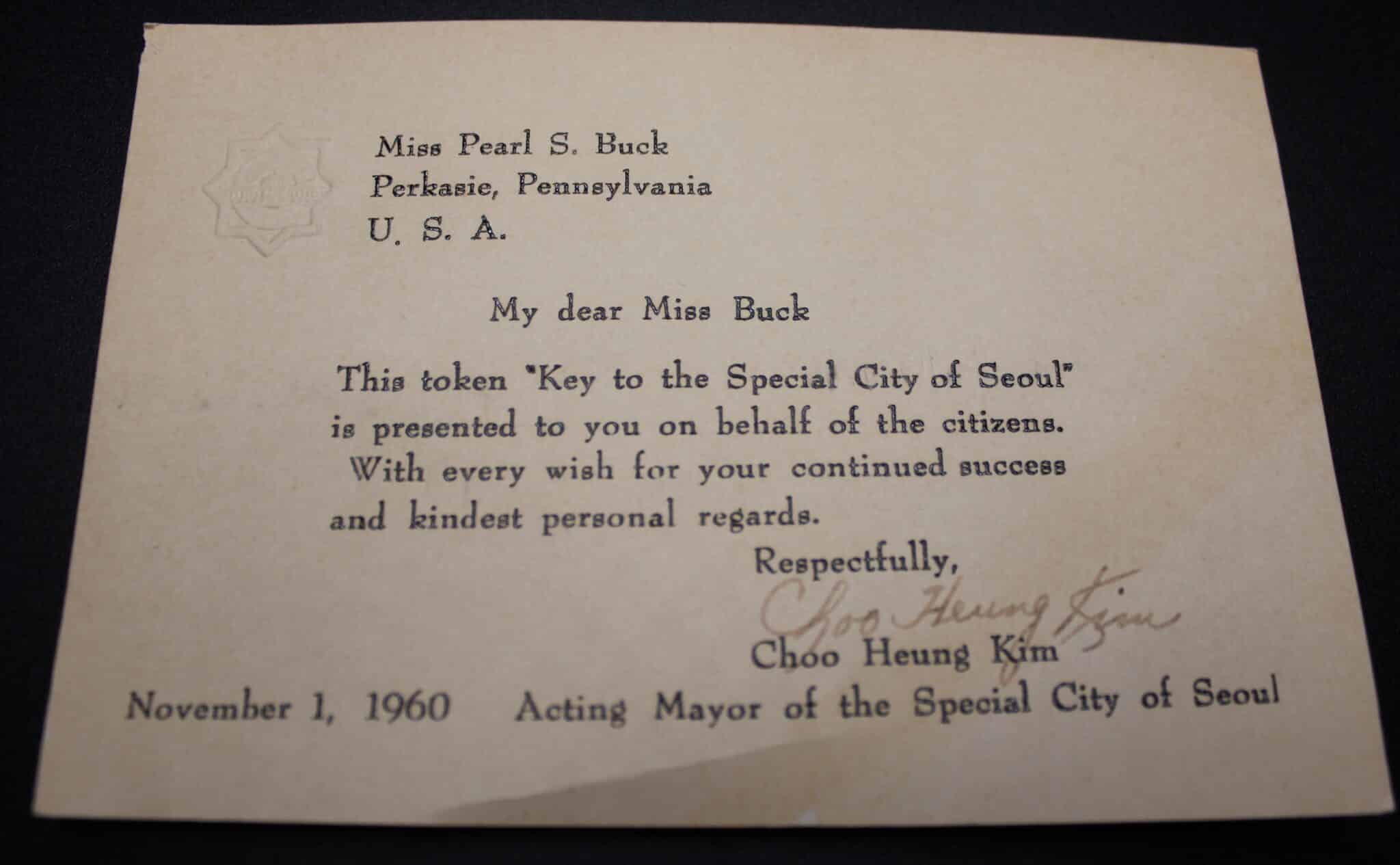
During her visit, the Korean people warmly welcomed her. The Mayor of Seoul gave her a token "Key to Seoul" in recognition of her visit.
These images are from Pearl S. Buck's 1960 trip to South Korea and of the mementos she was given.

Post-War Korea
After the Korean War, the country was divided into North Korea and South Korea, as it is today. As South Korea was establishing itself as a new country, it went through multiple rapid changes in government. These political issues contributed to the difficult circumstances of the ‘Amerasian’ children living there.
Pearl S. Buck was therefore invested in the future of South Korea, and felt Americans should be doing more to help not only the ‘Amerasian’ children, but the future of the country. The unique circumstances of the time were part of what led her to begin her work in Korea.
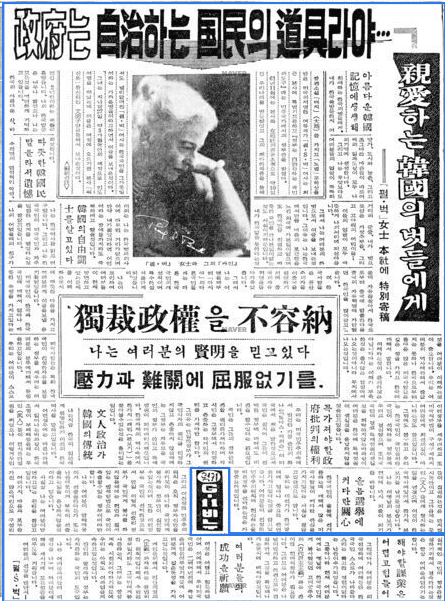
This is an Open Letter to the Korean People written by Pearl S. Buck. It was published in the Korean newspaper "Chosun-Ilbo" in February 1963. In the letter, she wrote about the issues facing the country at the time.
An Agency With Her Own Name
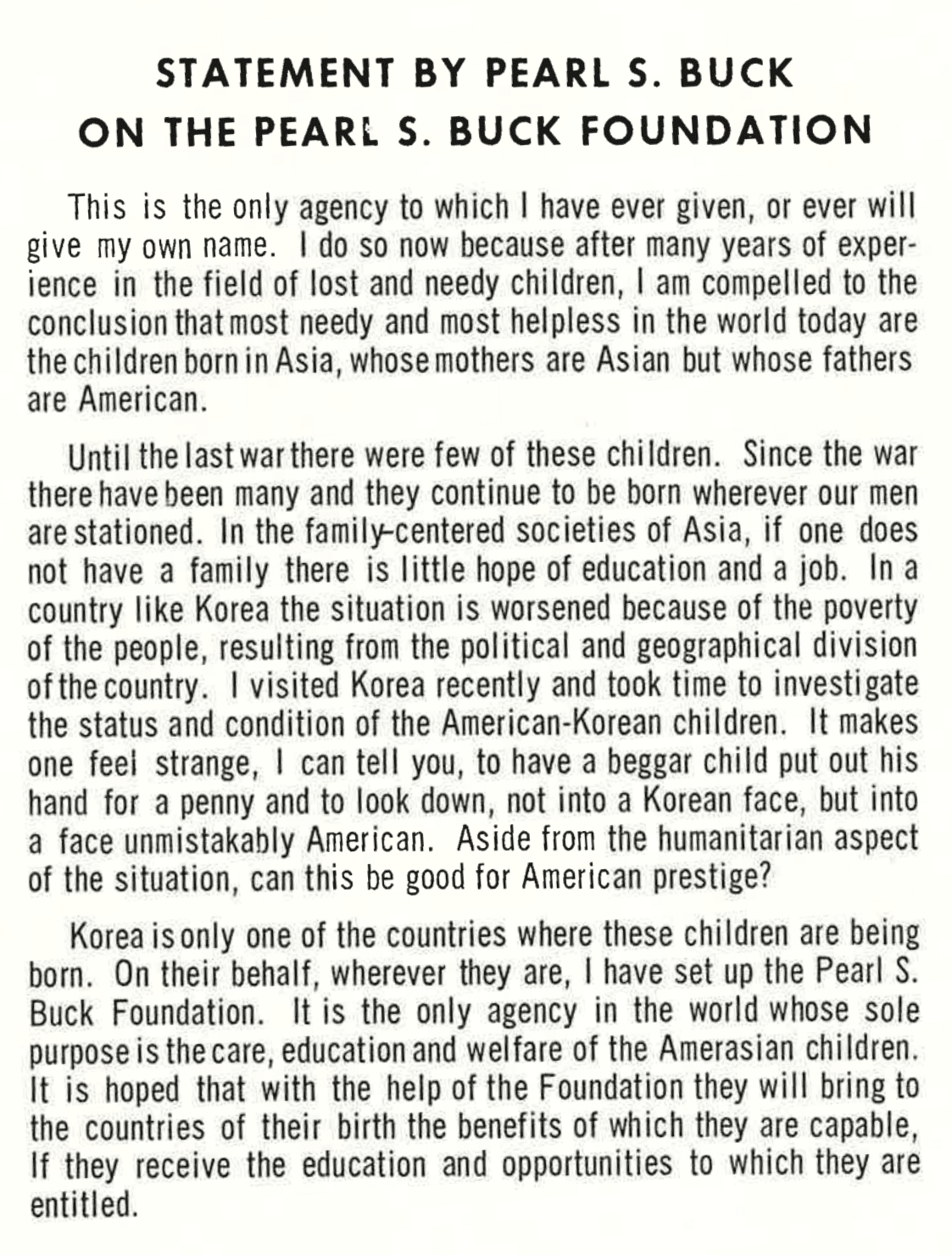
After receiving various proposals from other organizations on how to best help the 'Amerasian' children, Pearl S. Buck decided to create an organization of her own. To this agency she would give the power of her well-known name, something that she hadn't done with Welcome House. Thus, the Pearl S. Buck Foundation was born in Philadelphia in 1964. The goals of the Foundation included integrating ‘Amerasian’ children into the countries of their birth, providing them with equal opportunities for education, and working with existing organizations to ensure ‘Amerasian’ children were included in their programs.
The Foundation chose South Korea as the first country in which to begin their work, as they identified it as having the most immediate need compared to other Asian countries. In 1965, the Pearl S. Buck Foundation Korea was officially established as the first international branch of the organization and immediately began research on how to best help the children there.
"A Child Cannot Learn When He is Hungry":
Early Work in Korea
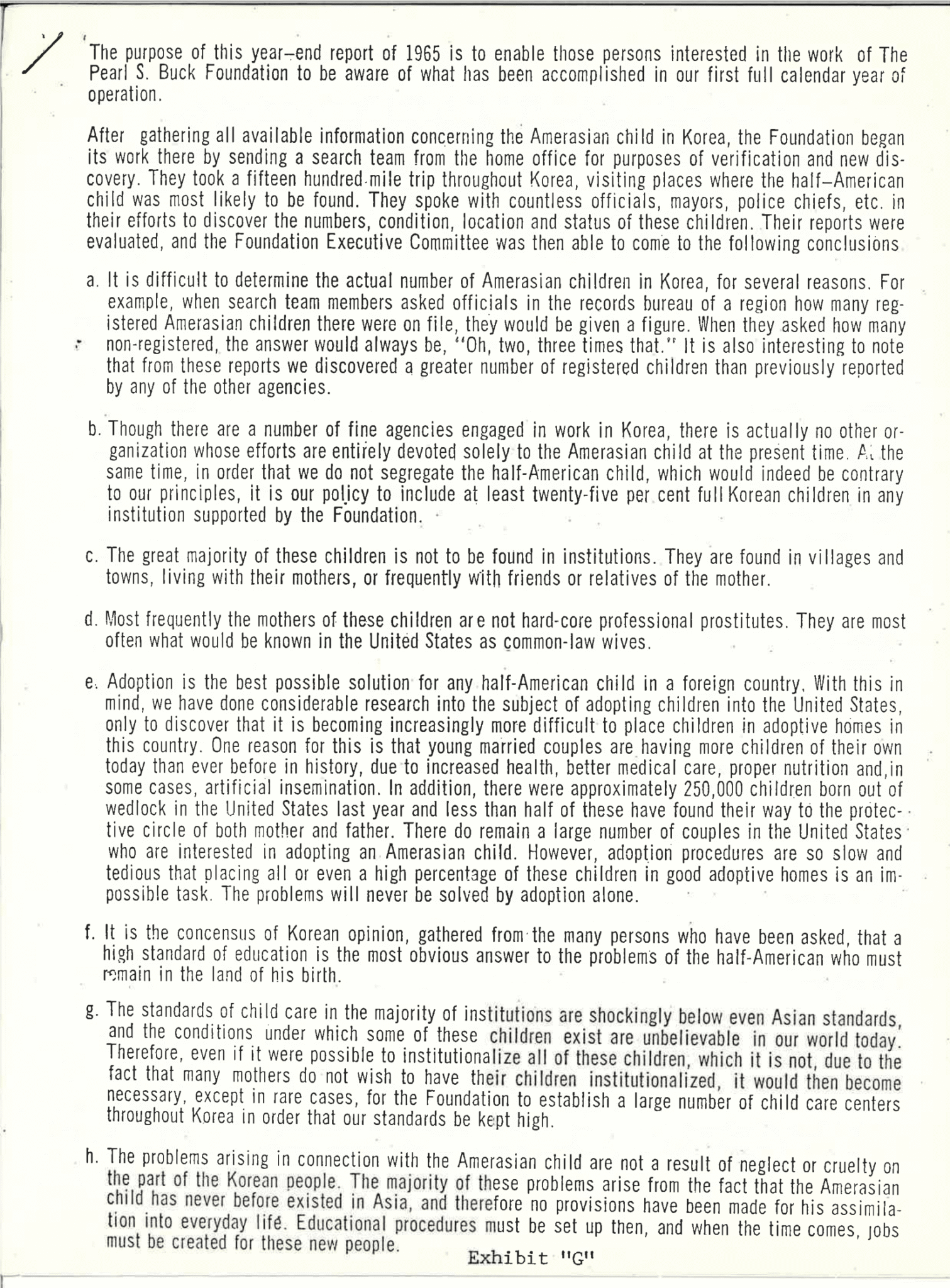
Once South Korea was chosen as the first country to work in, the question remained of what exactly the Foundation could do to help. During the first year of work, research was done on the conditions that 'Amerasian' children lived in and what kind of support would be effective. A case study was conducted of 500 'Amerasian' children. It found that many were not registered with the Korean government. This was because their fathers were American, so they could not become Korean citizens according to laws which required that a male relative register their births. This made it difficult to know exactly how many children there were, as they had no records. It also made it difficult for the children to have access to education, as non-citizens could not enroll in school.
Therefore, an education program needed to be developed. However, this could not be the only form of support offered— “A child cannot learn when he is hungry.” The Foundation also needed to find the best way to meet the health and security needs of the children.
Click on the button below to read a report from the Pearl S. Buck Foundation in 1965, detailing the research they had done on the 'Amerasian' children in Korea and their findings.
Sponsorship Program
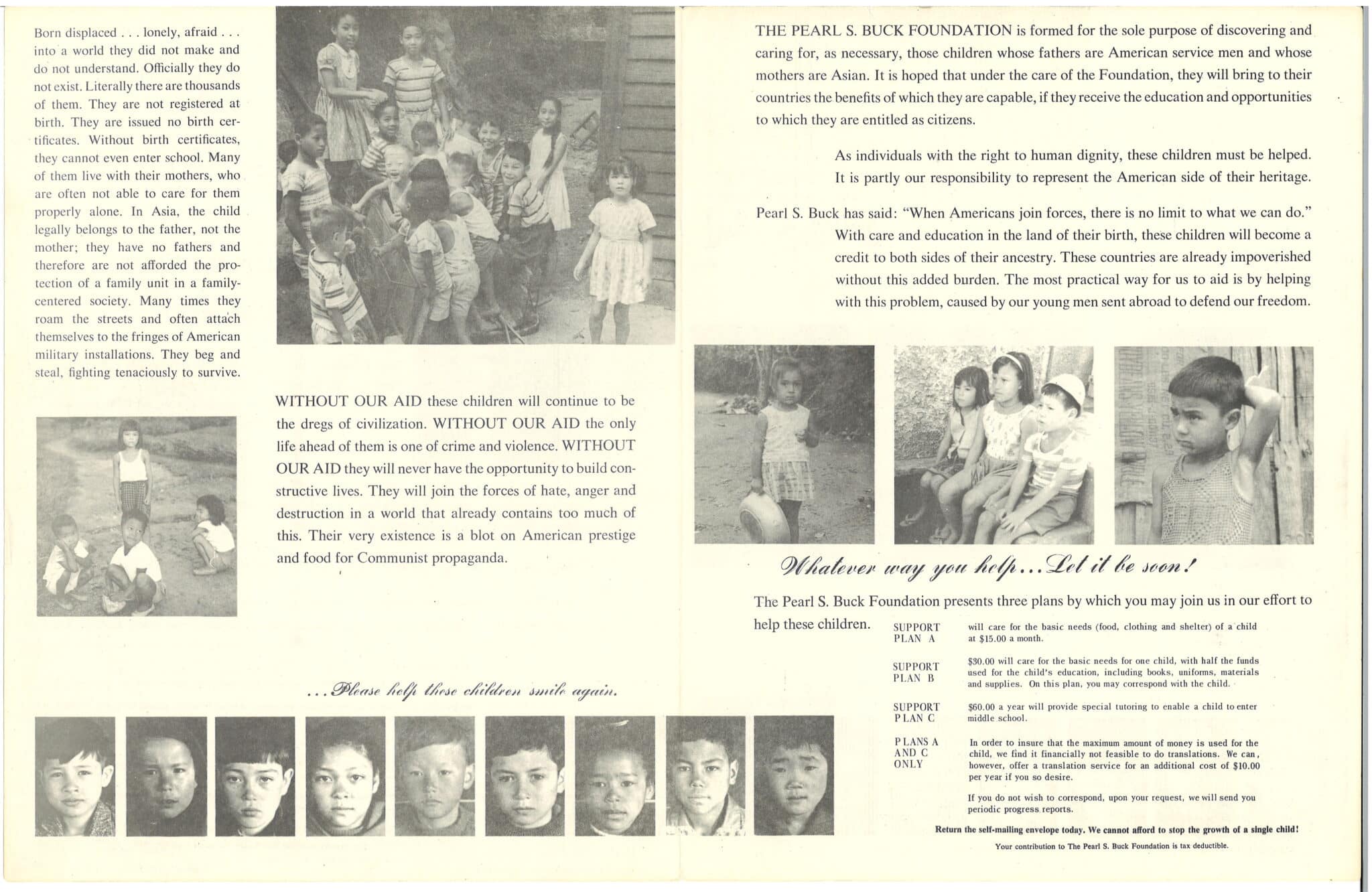
In 1966, the Pearl S. Buck Foundation began offering child sponsorships in Korea, beginning with 8 children. This program allowed donors to support children on an individual level—and ensured that the needs of the children were being met.
Shown here is an example of an early sponsorship pamphlet.
Insooni
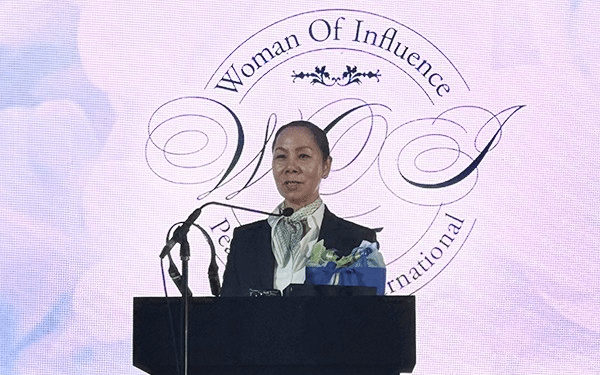
Kim Insoon, known as Insooni, was born in 1957 to a Korean mother and African-American father. She was raised in Korea by her mother and was one of many children who benefitted from the Pearl S. Buck Foundation's child sponsorship program. She went on to become a famous singer, breaking racial barriers to do so.
Now, she currently serves on the Board of Directors of the Pearl S. Buck Foundation Korea (as of 2025). She also founded the Haemil School for multiethnic and biracial students in 2013. In August 2025, she was recognized by Pearl S. Buck International for her humanitarian and advocacy work and received its Woman of Influence Award.
Adoption
While the Foundation did not itself facilitate adoptions, they worked with other organizations to have children adopted in situations when adoption was deemed best and feasible.
Pearl S. Buck wrote an article about her experience visiting Harry Holt, founder of Holt Adoption Agency, during her 1960 trip to Korea, which was published in her 1964 book “Children for Adoption,” after Harry Holt's death that same year. There were some controversies with the methods that Holt was using, as most of the adoptions he facilitated were "proxy adoptions," which meant that parents did not see the children before adopting them. In addition, Holt required that adoptive parents be Christian. While she agreed with these criticisms, Buck felt it was better to help the children imperfectly than not help them at all, as international adoption laws at the time made other methods of adoption extremely difficult or impossible. Welcome House later partnered with Holt in the 1980s, after proxy adoptions were made illegal.
The Foundation also worked with Welcome House, the Korean Social Service, and International Social Service.
Note: Welcome House closed in 2014, and neither Pearl S. Buck International nor Pearl S. Buck Foundation Korea facilitate adoptions as of 2025.
An Opportunity for the 'New People'
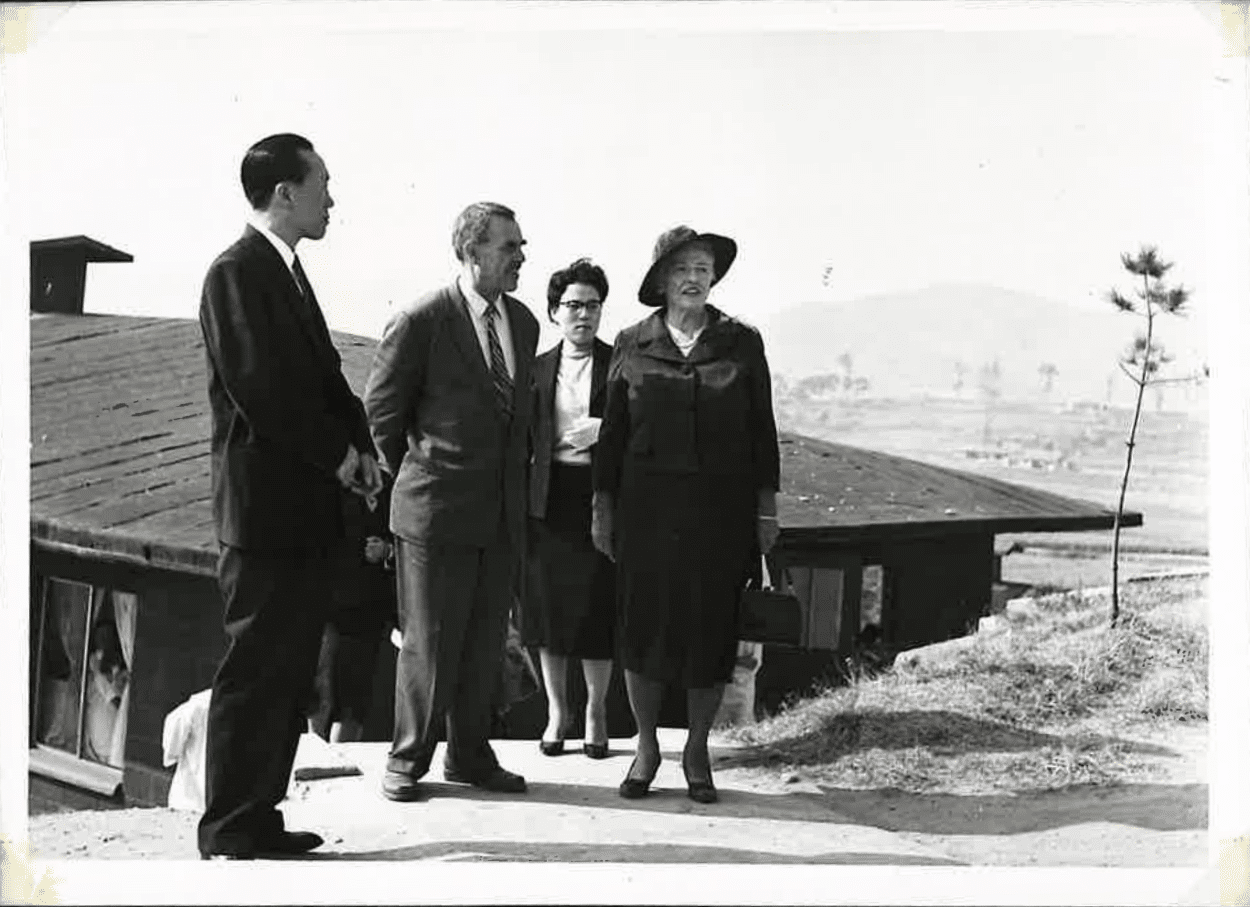
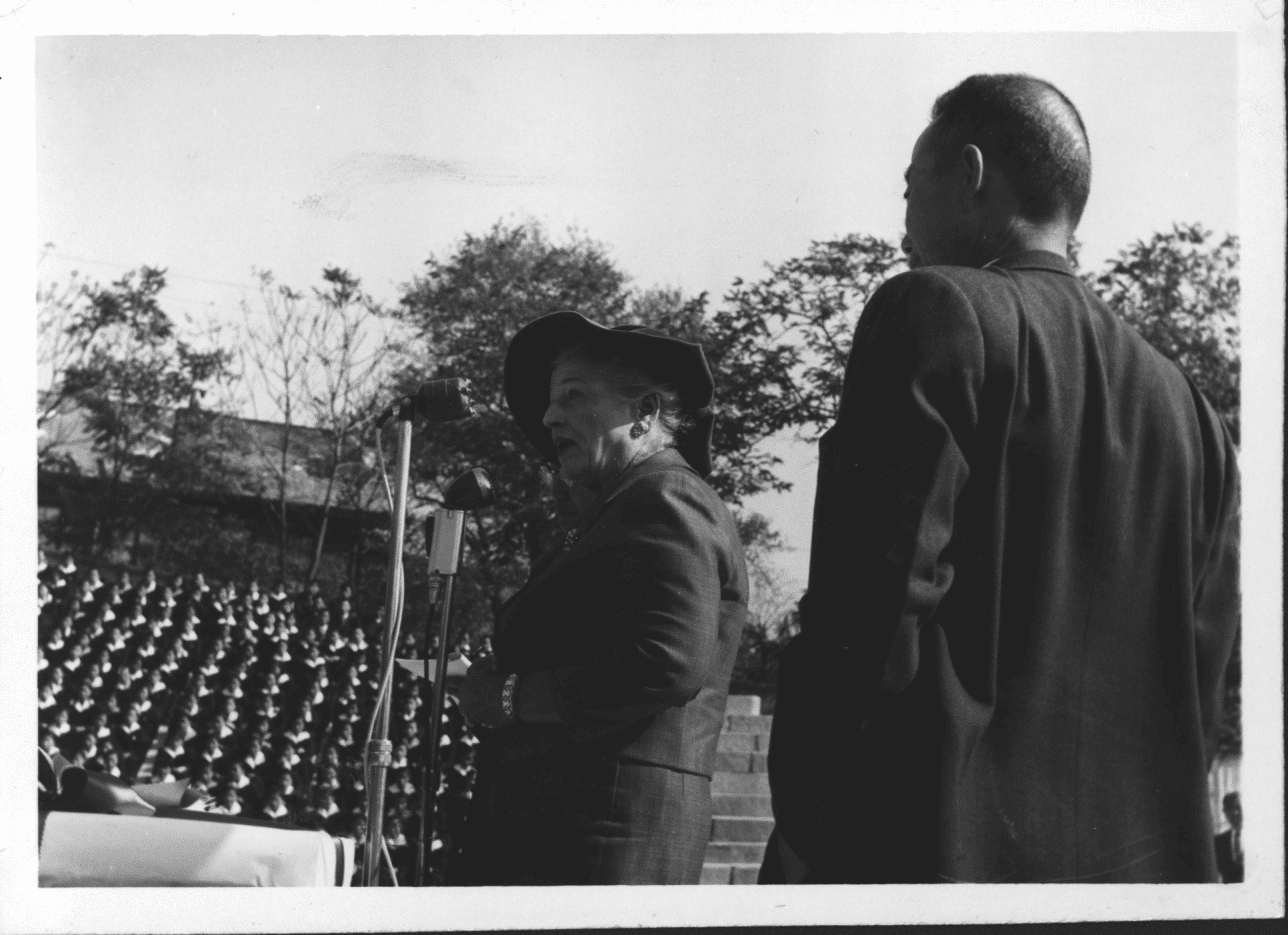
The Pearl S. Buck Opportunity Center was officially dedicated in 1967 in Sosa, South Korea (now known as Bucheon). The Opportunity Center served as a home and provided an education to hundreds of “Amerasian” children, preparing them for a better future. They also offered classes in subjects such as woodworking and sewing, where the children learned practical skills and produced goods that were sold. The children were able to keep a portion of the profits for their futures, thus taking part in creating their own "opportunity."
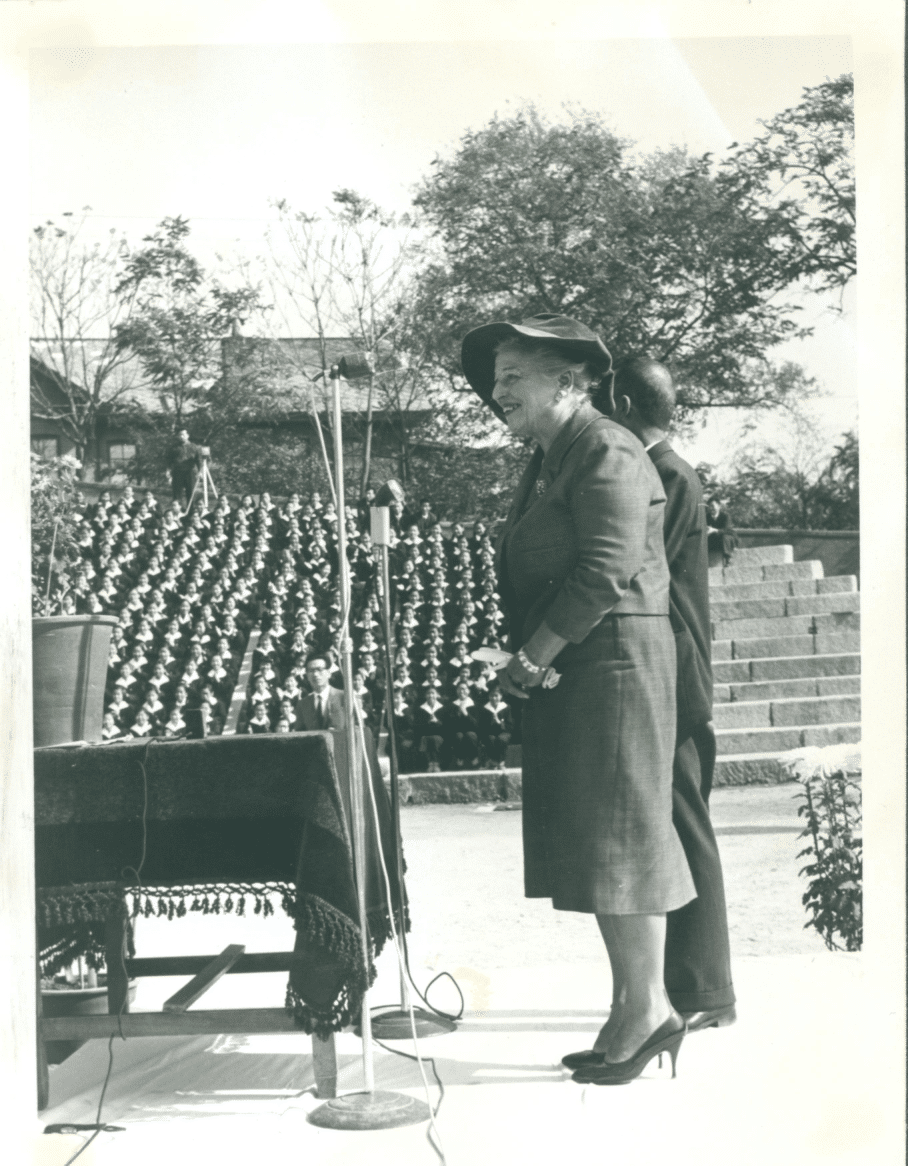
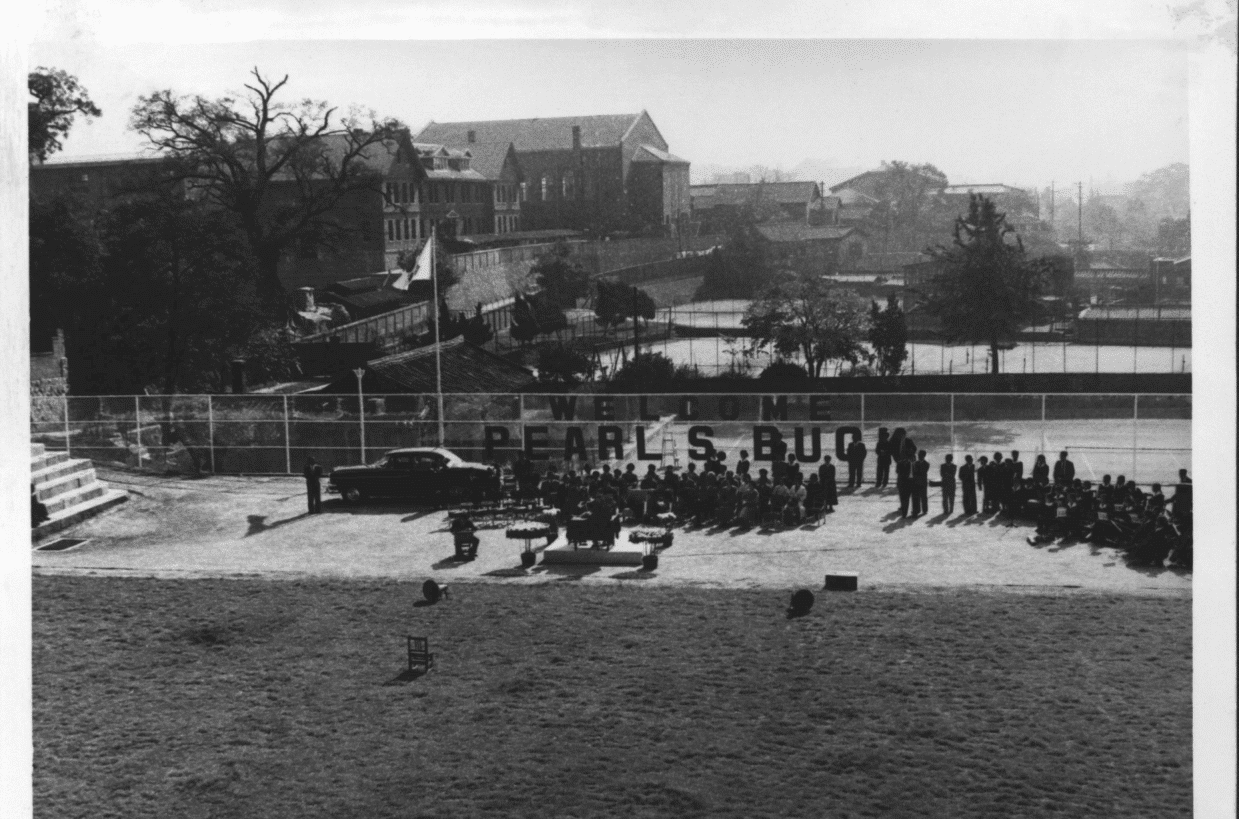
Pearl S. Buck gave a speech at the opening of the Opportunity Center in 1967. Press play below to listen to an excerpt from that speech. Also shown are photos from the dedication by photographer Baik Nam-sik.
“To the new people, therefore, I, Pearl S. Buck, do dedicate the Opportunity Center in Sosa, Gyeonggi-do, Korea, on the 11th day of June in this Korean year of 4300, and in the Western year of 1967. And in due course, upon this rock, which you see, will be inscribed this dedication signed by me: ‘O children of East and West, by your very being you alone can understand the East and the West. In this peaceful place may you learn how to save a struggling humanity from the final war, and in so doing, cause all the world to bless the day you were born.”
Pearl S. Buck saw the 'Amerasian' children as a 'new people' who would be essential in reconciling the differences and conflicts between the East and the West.

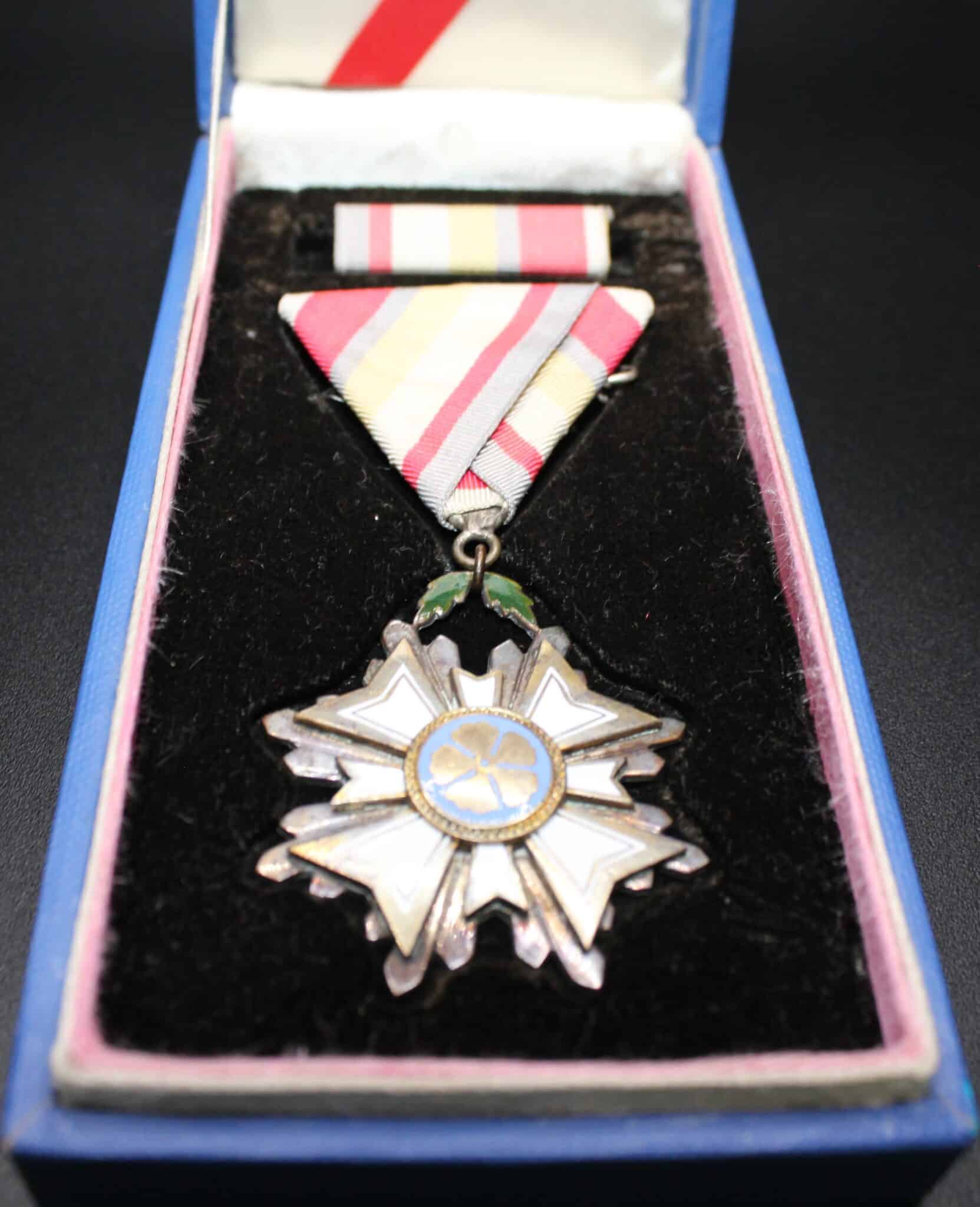
In 1967, Pearl S. Buck received this Medal of Civic Merit in “recognition for distinguished service to Korea” from the President of Korea for her work with the Foundation and the opening of the Opportunity Center.
Julie Henning at the Opportunity Center
Julie (Sooni) Henning lived at the Opportunity Center in Korea when she learned that her "Umma" ('mom' in Korean) had died. In 1968, Pearl S. Buck (then 75) decided to bring Julie to the United States to live with her as her daughter, though she was never formally adopted due to Buck's age.
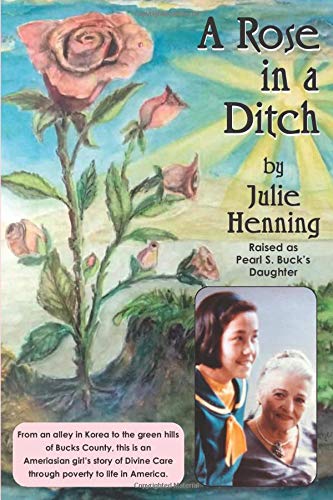
Julie Henning wrote a memoir about her life, A Rose in a Ditch, which was published in 2019. In it, she wrote about her time at the Opportunity Center, which provides a first-hand account of what it was like to live there.
"I had never seen as many children who looked like me—half-Korean and half-American. I felt I was one of them. Being born at the end of the Korean War, I was one of the oldest of the Amerasians. I so enjoyed caring for the younger kids who seemed to welcome my presence in their lives. I belonged and was accepted among other children, something that was new to me. At Pearl Buck's Opportunity Center, I was no longer 'Tigi—a yankee devil.'"
"I liked living in the Opportunity Center. They were all Amerasians. ... Within the boundary of this dormitory, no one teased or ridiculed us and we accepted each other for who we were. Besides our schooling, we were given opportunities to learn baking, tailoring, and haircutting. I chose to learn tailoring, and it was fun to measure, draw, cut, and sew."
The Closing of the Opportunity Center
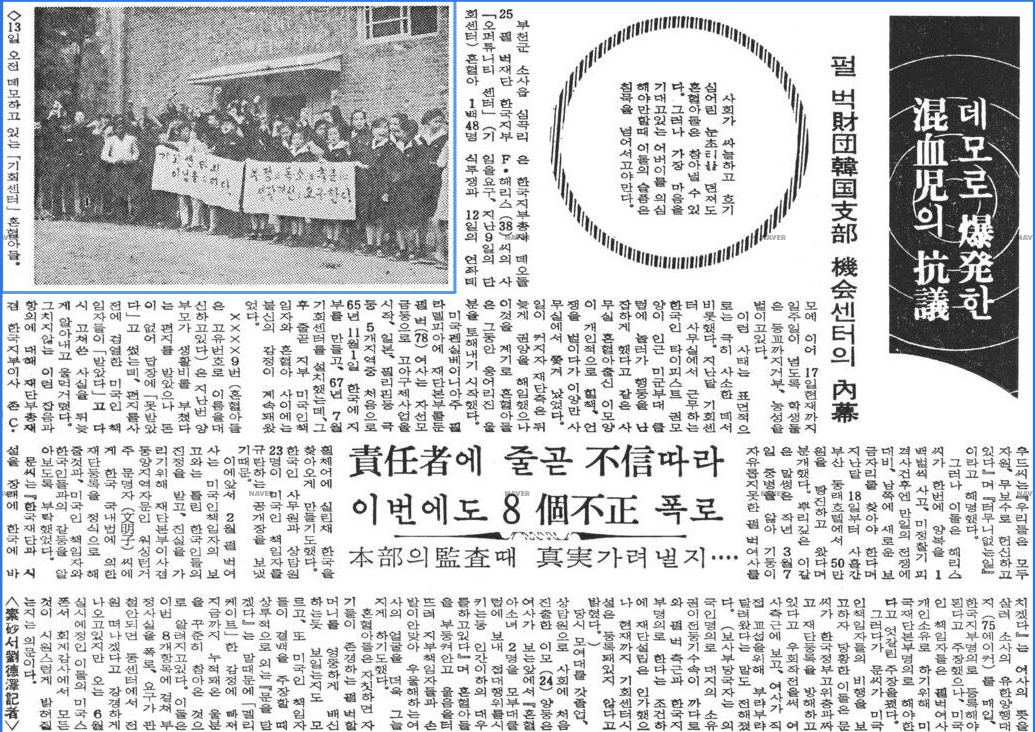
In 1971, the decision was made to close the Opportunity Center, though the sale was not finalized until 1975 due to legal issues. Children who had lived at the Center were returned to their living relatives, if they had any, or placed in foster homes with the help of Holt Adoption Agency. The money from the sale of the property allowed the sponsorship program to expand, as the program became the primary way for the Foundation to provide support.
There were various factors that led to the closing of the Opportunity Center:
- Financial issues: It was overly expensive to house children at the Center, and they did not have the space to house many children. Placing children in foster homes or providing support for them to live with their mothers/relatives and attend local schools was more cost-effective than a residential program and allowed for broader reach.
- Legal issues: Due to Korean laws, the land of the Opportunity Center was required to be registered in the name of a separate Korean Board. This made management difficult, and caused issues when the land was sold.
- Organizational issues: The director in Korea at the time the property was sold was accused of mishandling the sale and Foundation funds. In addition, the Foundation preferred to hire younger employees with little formal social work experience. This was criticized by some, though the Foundation defended it by saying that they wanted a fresh perspective.
- With the rapidly changing political situation in Korea, unrest among youth was common. At one point, the children at the Center went on a hunger strike to protest what they saw as the wrongful firing of an 'Amerasian' employee.
Ultimately, Pearl S. Buck had always seen the Opportunity Center as an experiment, and when it proved unsuccessful, it was necessary to move on to other projects.
After the Opportunity Center: Continued Work in Korea
Despite the setback of the Opportunity Center and its surrounding issues, the Foundation continued the work that Pearl S. Buck started even after her death in 1973. Here are some of the projects they worked on:
Work with the United States Agency for International Development (USAID)
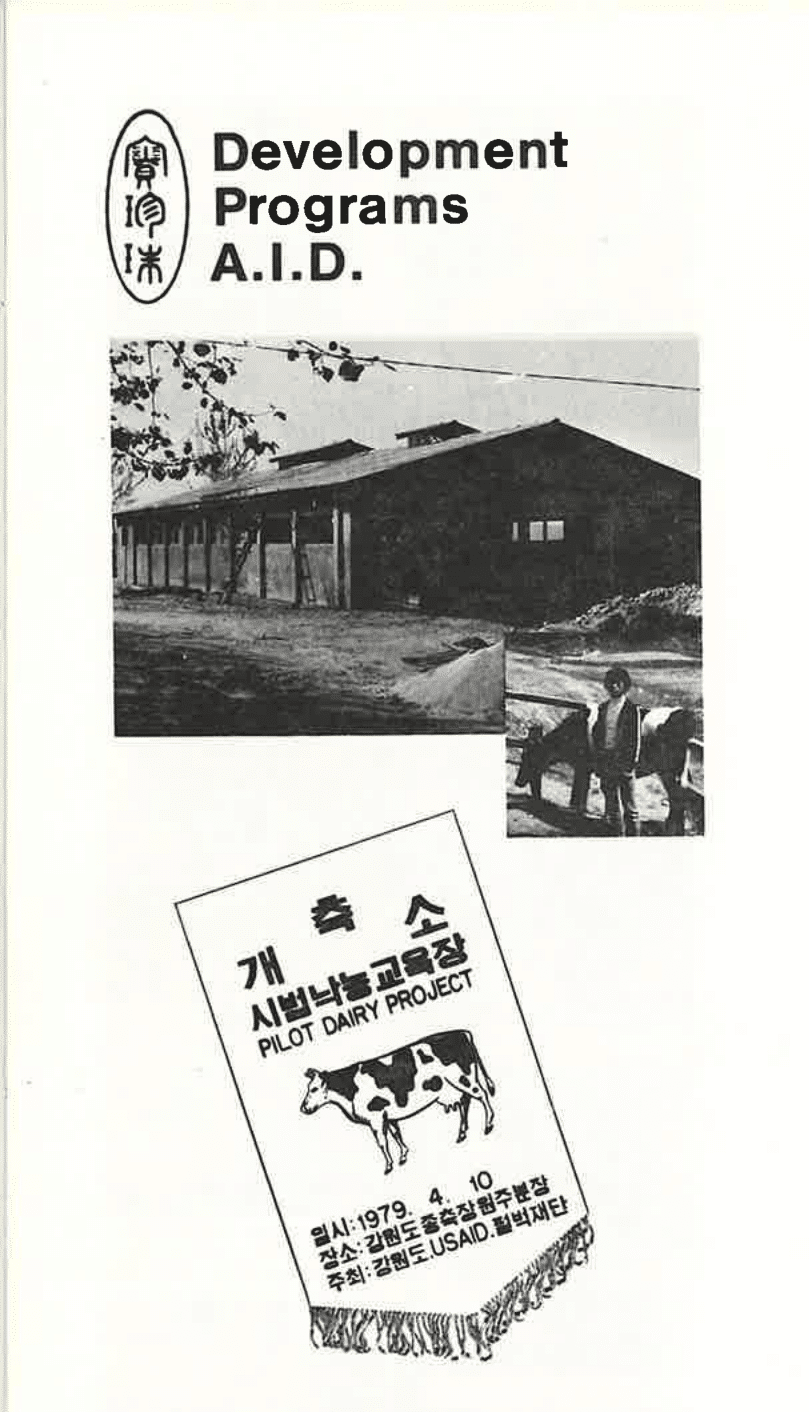
Korean Dairy Project: In 1978, the Foundation began, with over $200,000 in USAID funding, a program that provided vocational training to Korean youth by running a dairy farm.
Apprenticeship Program: Beginning in 1979, the Foundation supported an apprenticeship program, so that mixed-race Korean youth could gain skills to have successful careers.
1982 Amerasian Immigration Act
An Act passed by US Congress in 1982 allowed 'Amerasians' with American fathers, including those from Korea, to immigrate to the United States and gain citizenship. This was passed with the help of the Pearl S. Buck Foundation.
Work with the Korean Government
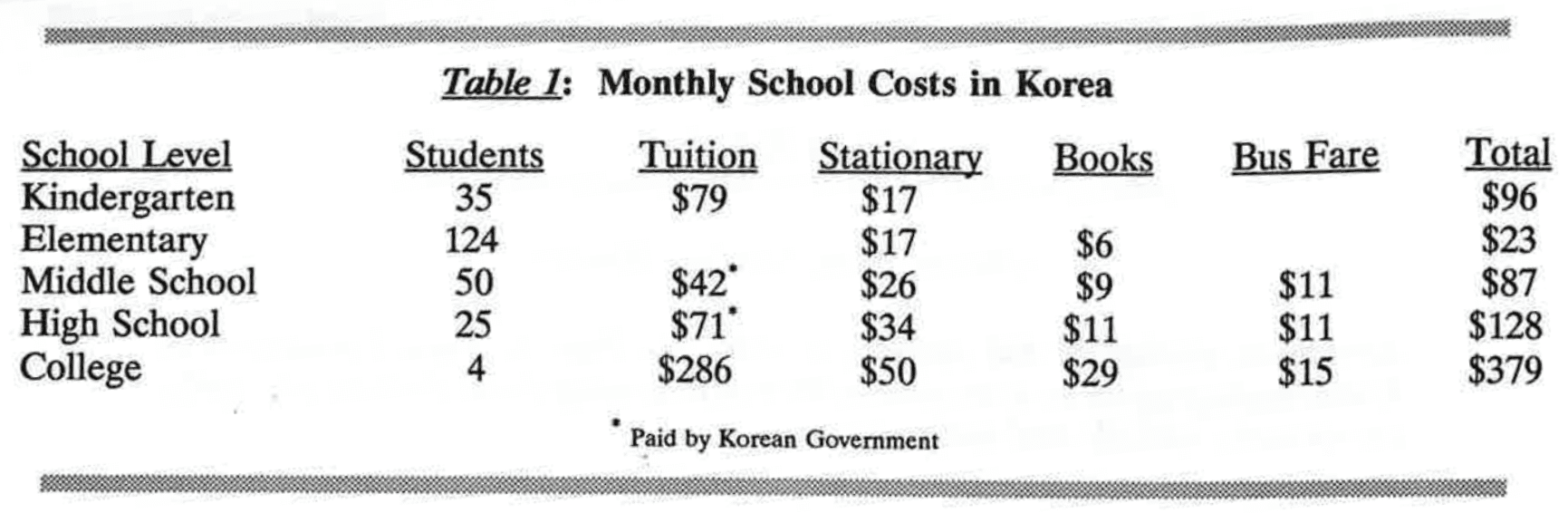
The Pearl S. Buck Foundation worked with the Korean Ministry of Health and Social Affairs (MHSA) from 1982-1999 to provide support to 'Amerasians.' One way in which the Korean government provided support was funding to cover school costs for children, as schooling (other than elementary school) required paying tuition.
These were the costs of school for children in Korea in 1991.
H.E.L.P. Model
The Pearl S. Buck Foundation adopted the H.E.L.P. model—providing support for Health, Education, Livelihood, and Psycho-social needs of the children it served. By providing support in all of these areas, it assured that all of a child's needs were met.
The Pearl S. Buck Memorial Hall
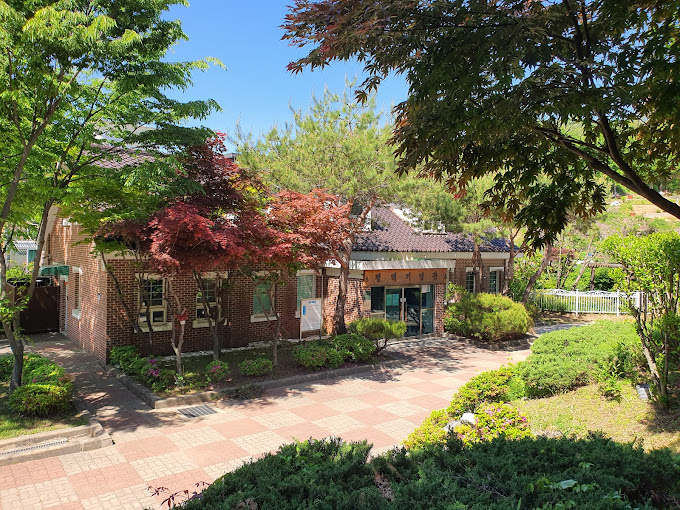
The Pearl S. Buck Memorial Hall opened in 2006 on the former site of the Opportunity Center in Bucheon City, and continues to celebrate the legacy of Pearl S. Buck in Korea as a museum open to the public. The museum is owned by the City of Bucheon.
In addition to celebrating the legacy and history of Pearl S. Buck herself, the museum has educational outreach programs to teach Koreans about multiculturalism and cultural diversity.
Sixty Years Later: The Pearl S. Buck Foundation Korea Today
The Pearl S. Buck Foundation Korea continues its work today and celebrates its 60th anniversary in 2025. The Foundation is now an affiliate of Pearl S. Buck International.
No longer focusing solely on 'Amerasian' children, the Foundation is dedicated to helping mixed-race children and multicultural families living in South Korea. With the rise of globalization, South Korea has become more diverse than ever. As of 2022, foreign residents made up 4.4% of the country's population, a large increase in what was historically considered a "mono-ethnic" state. Therefore, much of the Foundation's work today focuses on challenging racism and helping immigrants integrate into Korean society.
The Foundation also continues its child sponsorship program, which is independent from that of PSBI's. In 2024, over 150 children benefitted from the sponsorship program. In addition, over 25,000 people benefitted from all of its programs combined.
Resources
Pearl S. Buck International Archives
Pearl S. Buck Foundation Korea Website
Pearl S. Buck Memorial Hall Website
A Rose in a Ditch by Julie Henning